


#1 - Design for More Coverage Than you Need
One of the most common mistakes in Shade Sail design is choosing a sail that is only large enough to cover the exact area requiring shade.
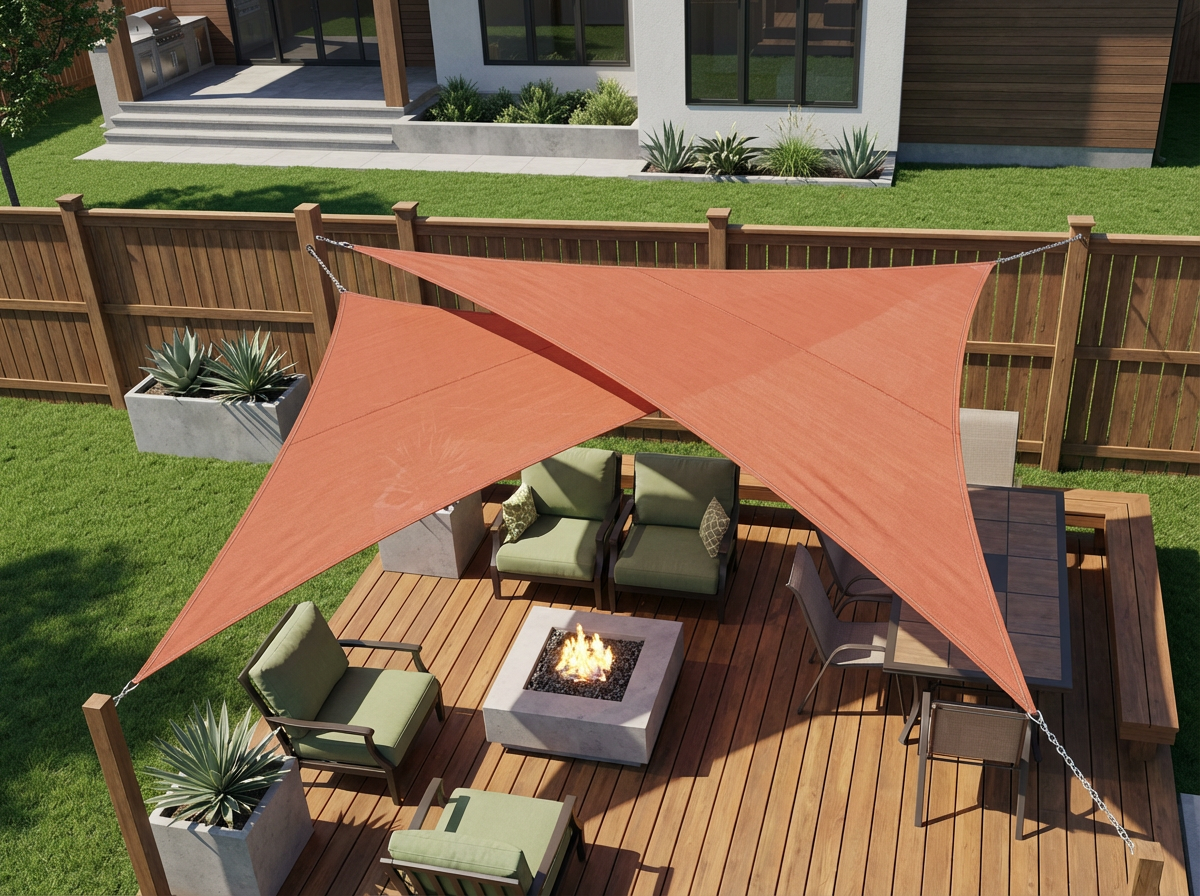
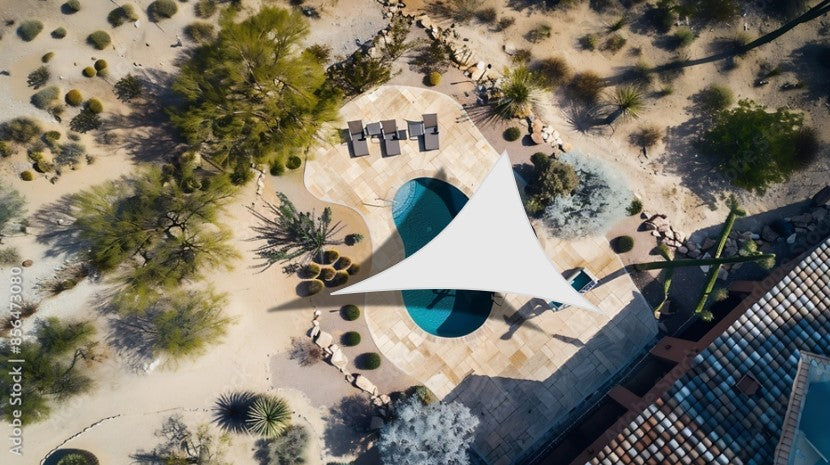
For better Shade Sail coverage, it is usually recommended to design the sail approximately 25% larger than the area being protected. This additional size helps compensate for factors that naturally reduce usable shade throughout the day, including edge curvature, sail height, and the movement of the sun.
A slightly larger sail often delivers significantly better real-world shade performance.
#2 - Understanding Why Shade Sail Coverage Is Often Smaller Than Expected
Many people are surprised when the shaded area beneath a Shade Sail is smaller than the sail's actual dimensions. This occurs for several important design reasons.
Curved Edges Are Essential for Performance
A properly functioning Shade Sail cannot have straight perimeter edges.
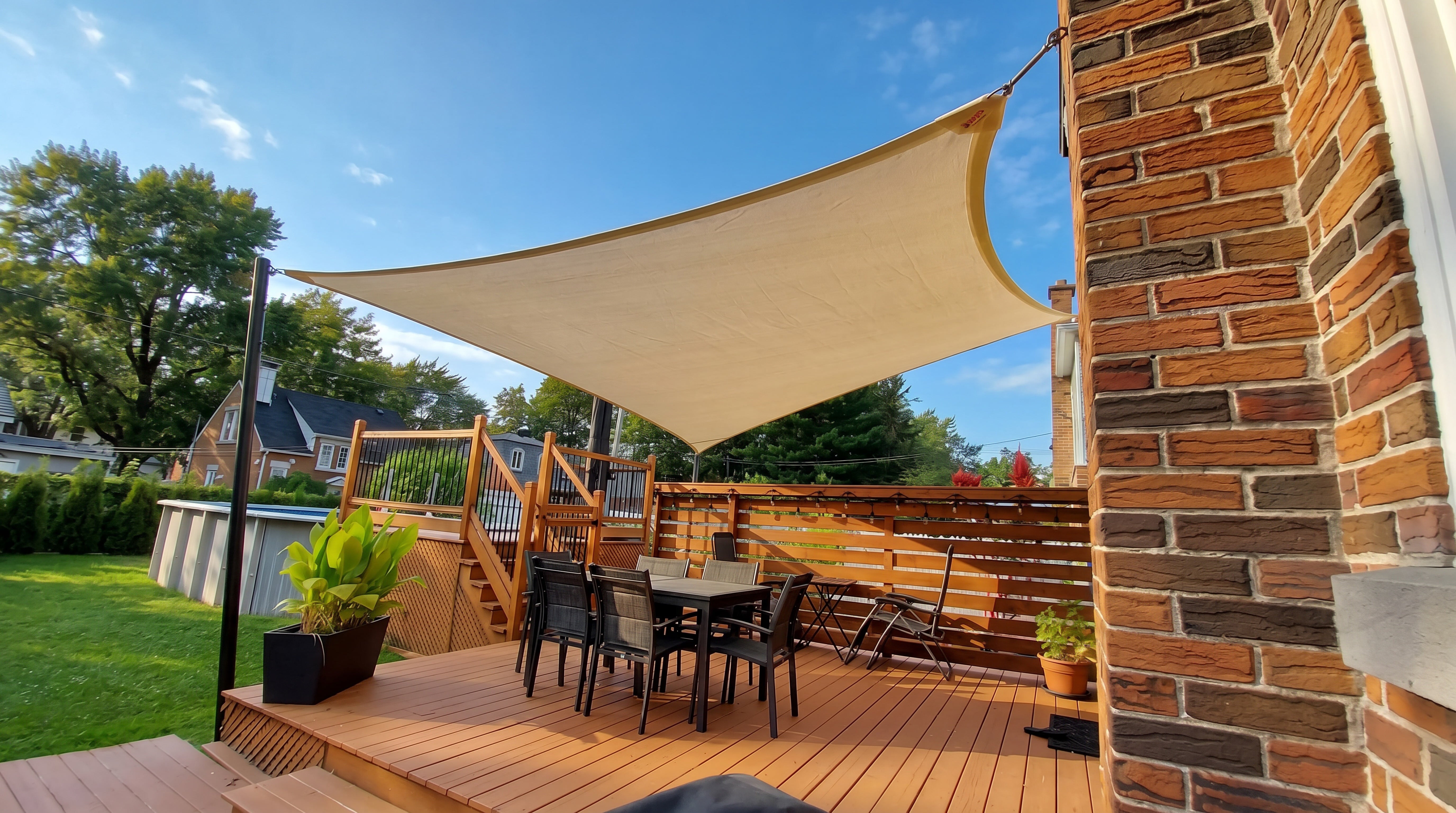
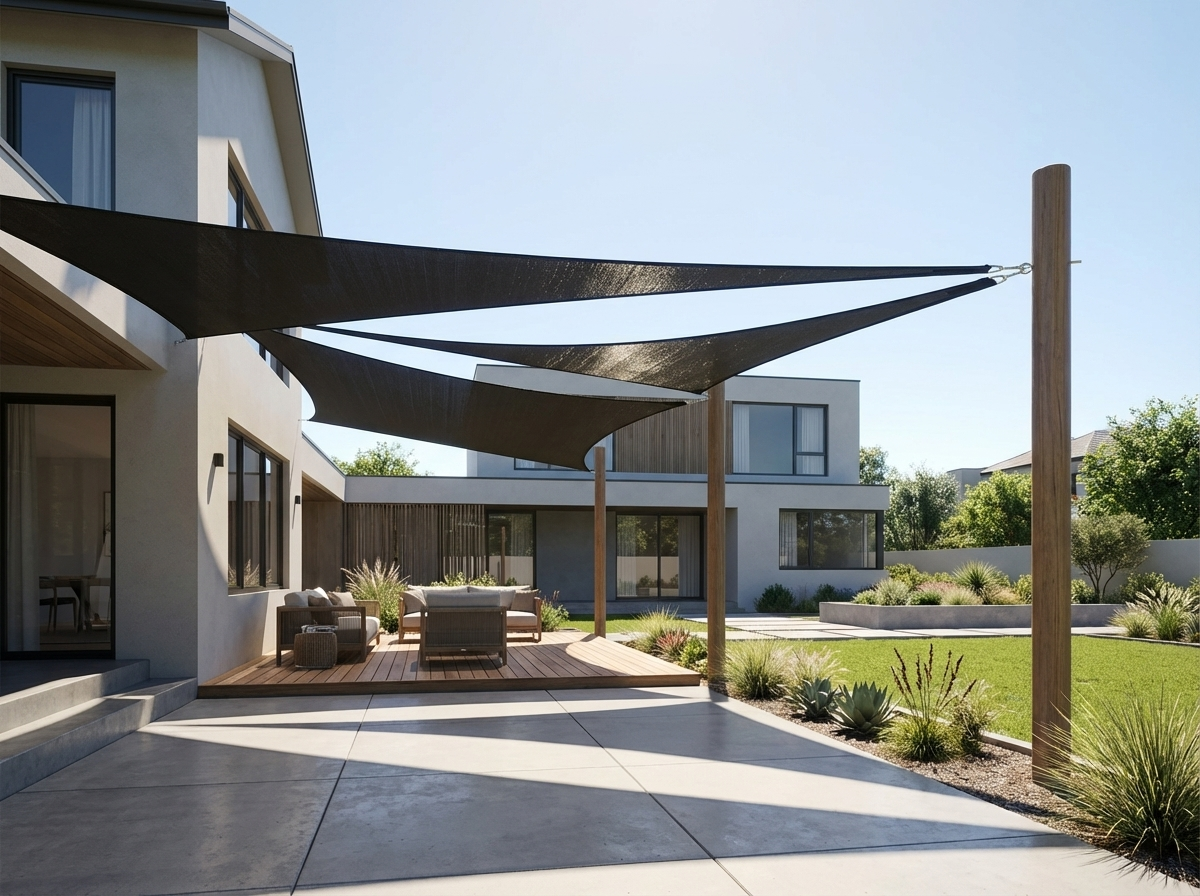
High-quality Shade Sails use curved edges, known as catenary curves, which allow even tension to be distributed across the fabric. When the sail is tensioned from the corners, the perimeter cable or webbing attempts to straighten these curves, creating the tension that gives the sail its strength, shape, and stability.
A Shade Sail with straight edges cannot be tensioned correctly. The result is typically a sail that sags in the centre, develops loose edges, and performs poorly in windy conditions.
While reducing edge curvature slightly can increase projected coverage, it often comes at the expense of appearance, long-term durability, and overall performance.
Daily Sun Movement Changes Shade Patterns
Unlike the sun, a Shade Sail remains fixed in position.
As the sun moves from east to west throughout the day, the shaded area beneath the sail moves as well. A design that provides excellent protection at midday may offer far less coverage during the morning or late afternoon.
For this reason, it is important to identify when the area will be used most often and design to position the sail accordingly.
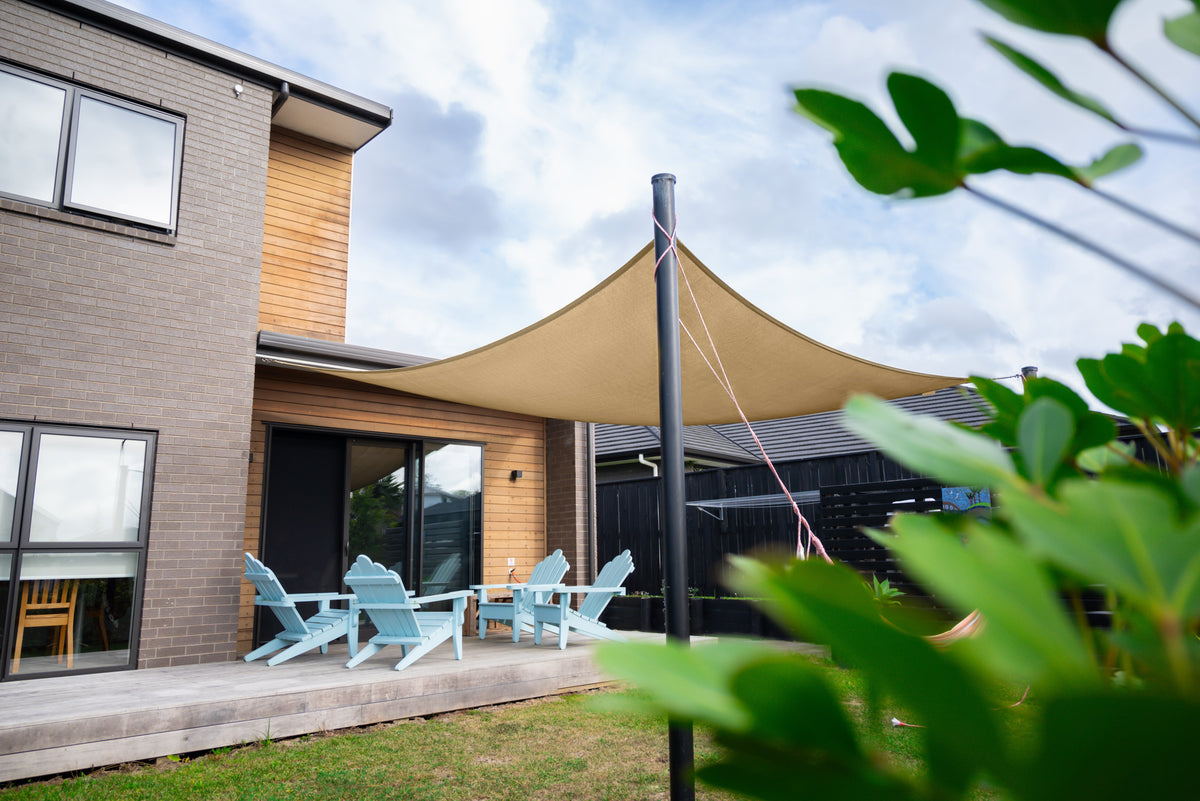
For example, if a patio is primarily used in the afternoon, positioning the lowest corner toward the western sun can significantly improve usable shade during peak use times.
Strategic placement of attachment heights can dramatically increase Shade Sail coverage during the times when it matters most.
#3 - Consider Off-Centre Positioning
Perfectly centring a Shade Sail over the area being protected is not always the best solution.
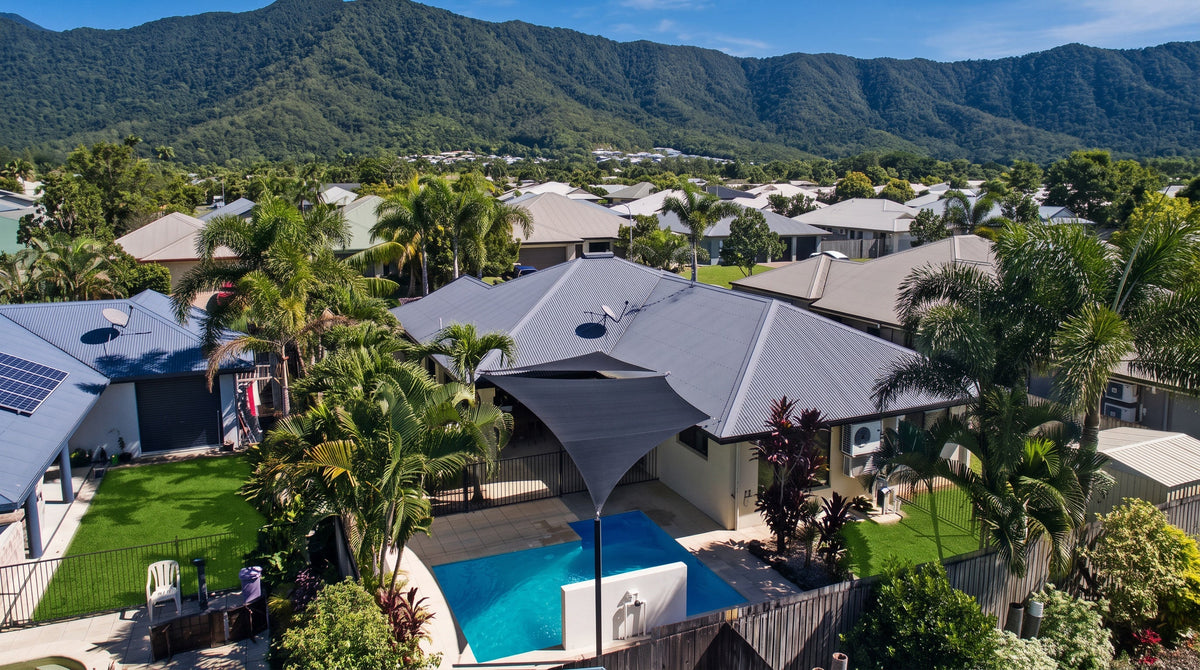
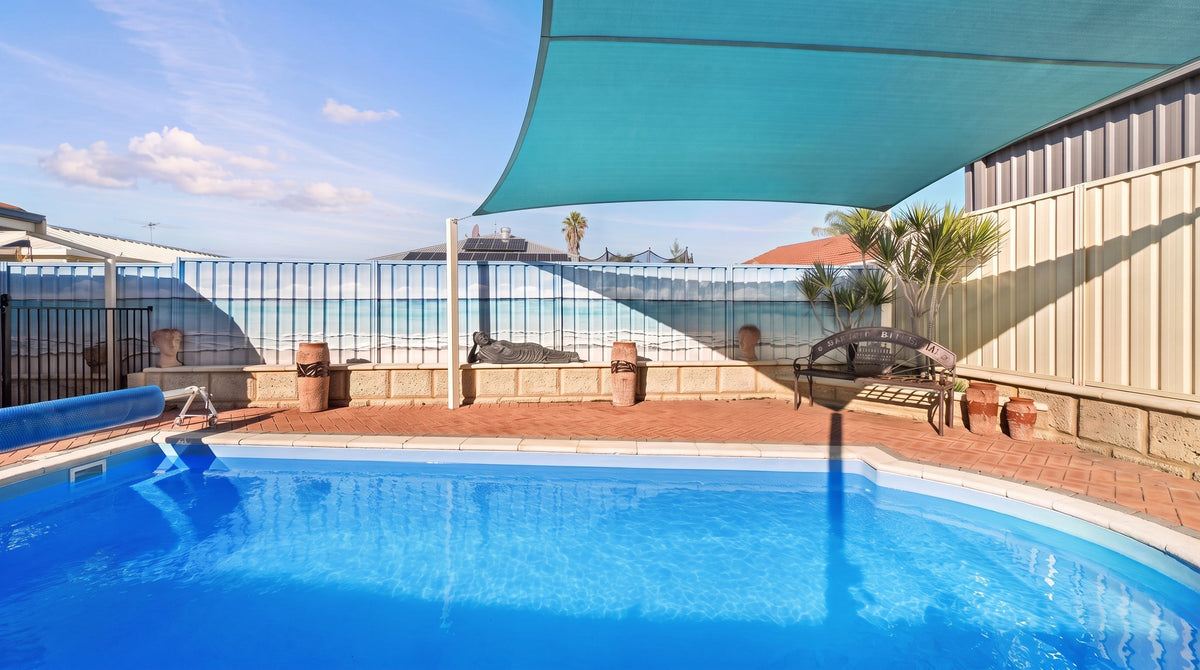
In many situations, moving the sail slightly off-centre provides better protection during key periods of the day. This is particularly true for outdoor dining areas, pools, playgrounds, and patios where shade is needed during specific hours rather than throughout the entire day.
Evaluating the sun's path and adjusting the sail position accordingly often delivers better results than simply centring the structure.
Better Shade Sail Coverage Comes from Better Design
Successful Shade Sail design involves more than simply choosing a sail size.
The best results come from combining generous coverage, proper edge curvature, suitable height variation, strong attachment points, and positioning that works with the sun's path.
Before finalizing your design, use tools such as Shadowmap.org to visualize sun angles and shadow movement throughout the year. This can help you position your Shade Sail for better real-world coverage and a more effective outdoor space.




Share:
Where to Buy Steel Poles for Shade Sails in the USA
Getting the Foundation Right: Shade Sail Poles and Footings Explained