




Retirement changes the way a home gets used. Instead of leaving early in the morning and returning at the end of the day, newly retired couples can suddenly find themselves spending a lot more time at home - and noticing all those jobs that have been sitting on the “one day” list.
That makes the first few years of retirement a great time to tackle home projects for newly retired couples. The best projects aren't necessarily major renovations. They are improvements that make your home more comfortable, easier to maintain, safer, and more enjoyable for the years ahead.
Here are 12 practical places to start.
1. Create an Outdoor Living Area You'll Actually Use
A patio, deck, or unused corner of your backyard can become one of the most-used parts of your property once there's more time to enjoy it.
Start with the basics: somewhere comfortable to sit, protection from the sun, good access from your house, and enough space for a table or barbecue.
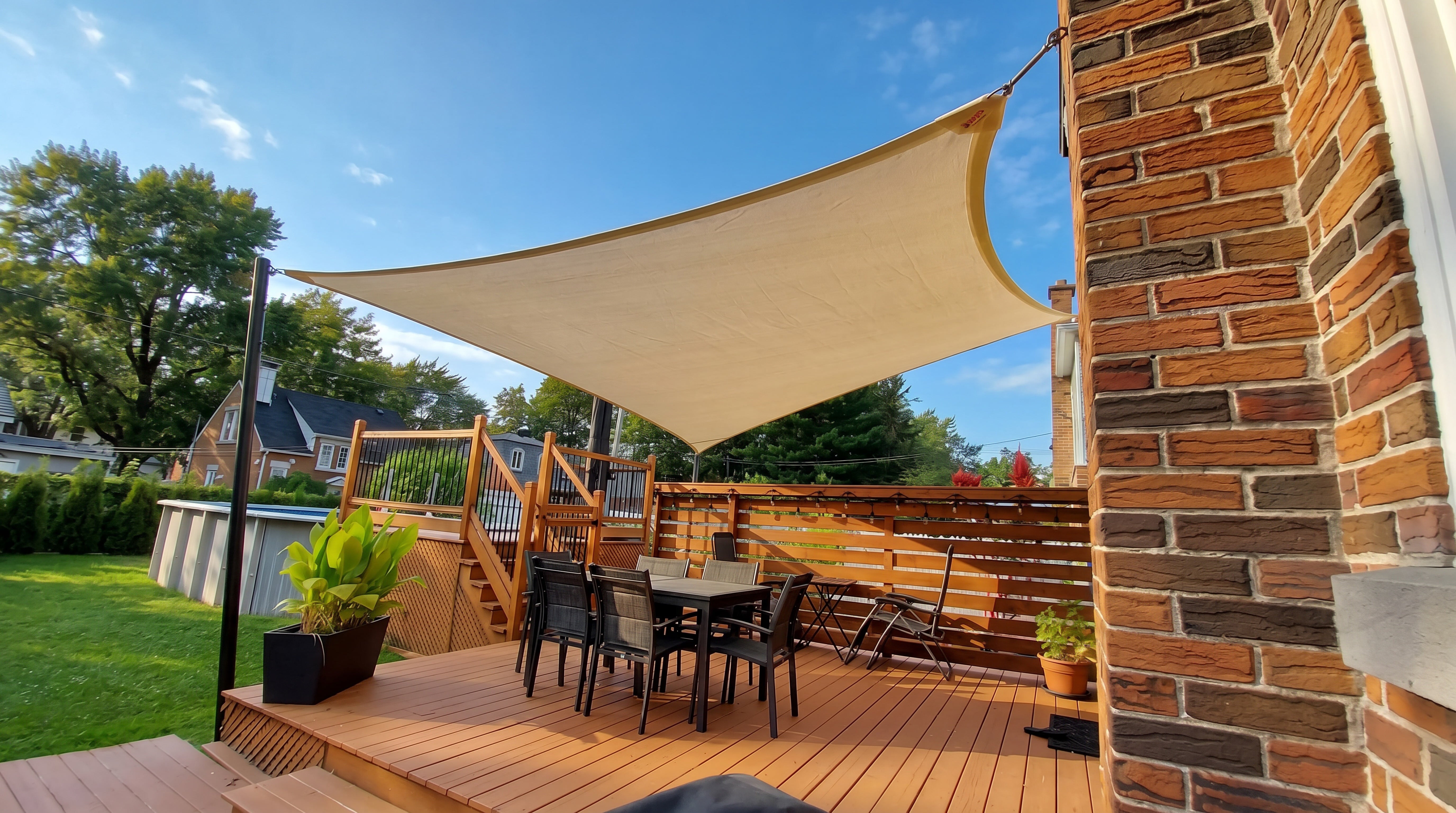
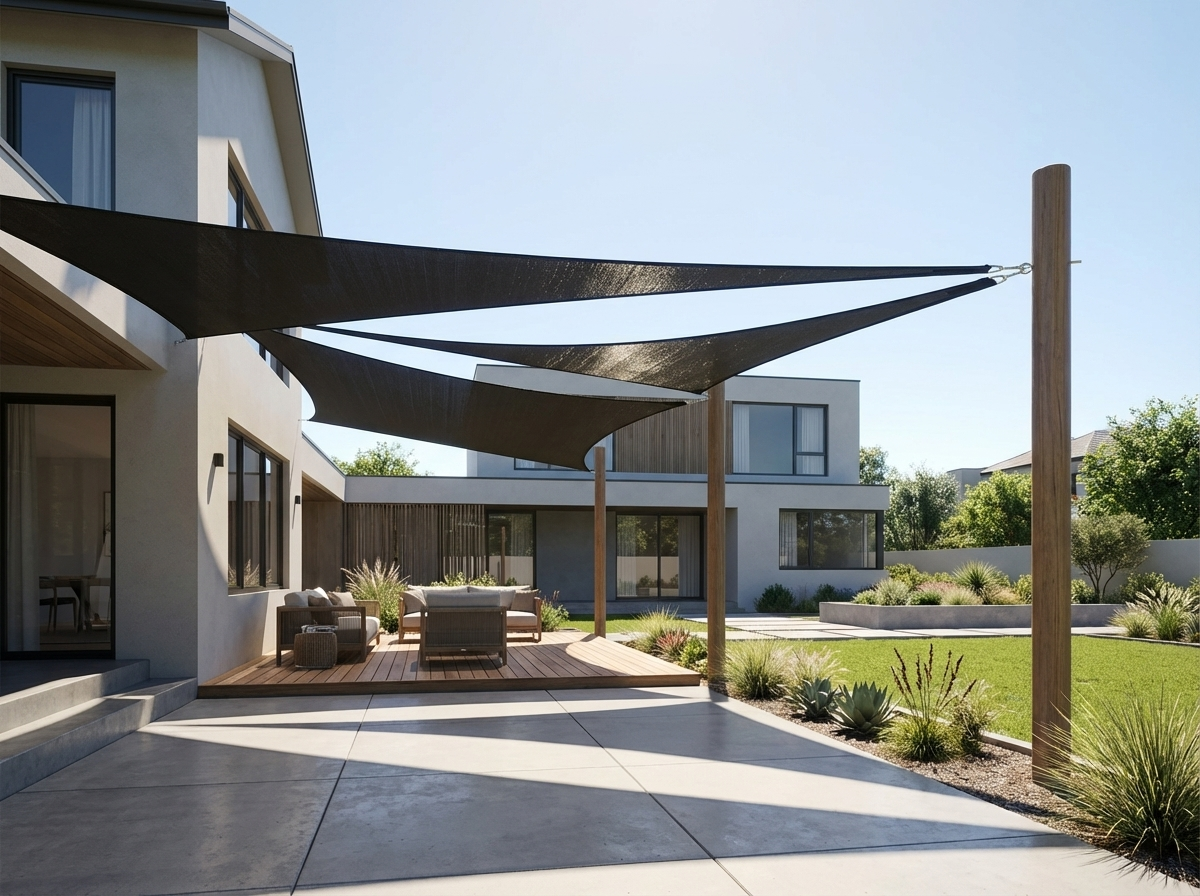
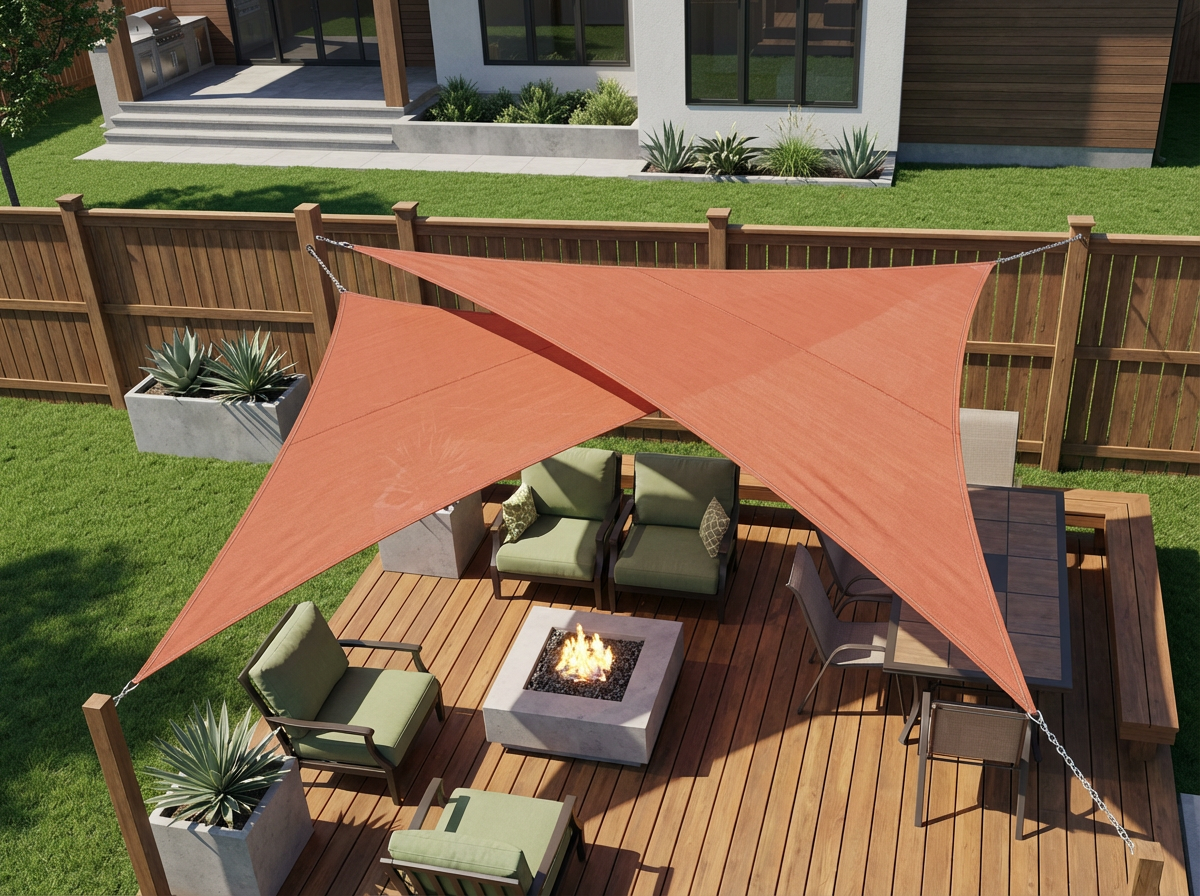
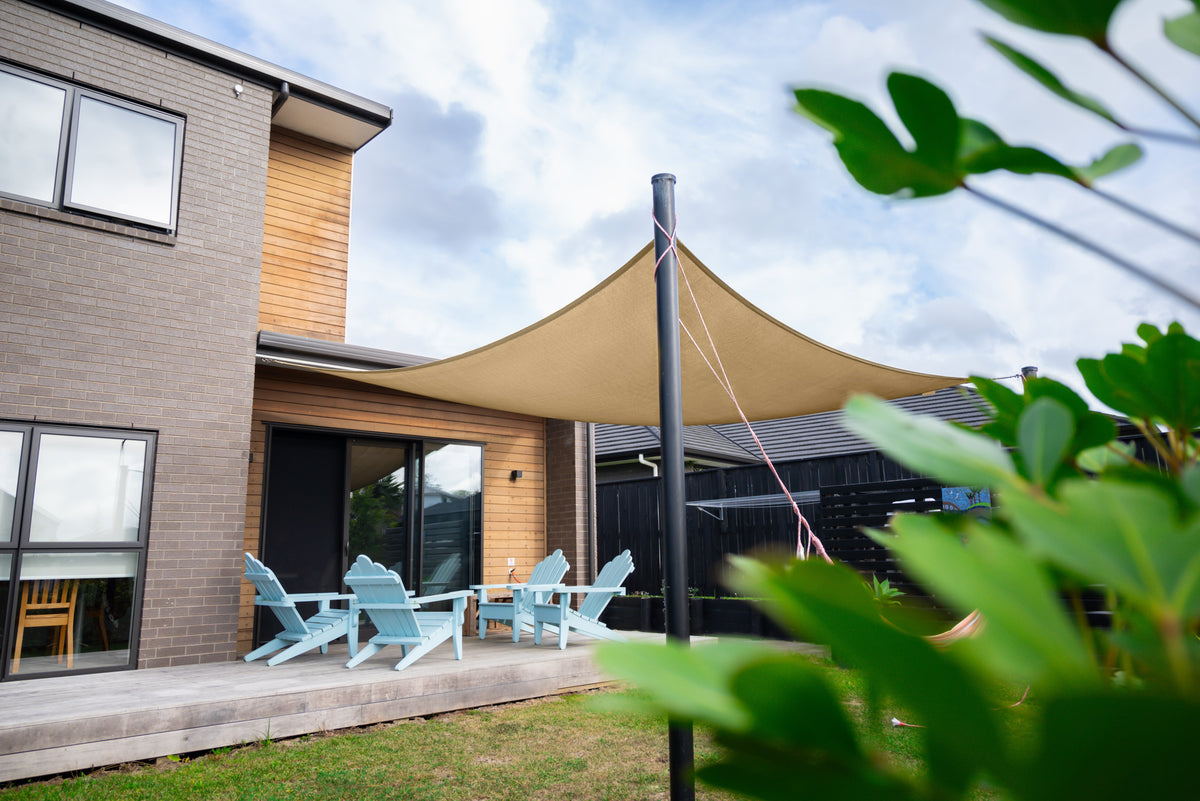
Adding a Shade Sail can make a big difference, particularly over a sunny deck, courtyard, pool area, or outdoor dining space. An important part is planning your shade around where the sun travels during the times you'll actually use the area.
2. Start a Vegetable or Herb Garden
Gardening is one of those retirement projects that can start small and gradually become as serious as you want it to be.
A couple of raised vegetable beds are often a practical move as the raised beds will reduce the amount of bending and kneeling required.
Think about what you'll genuinely eat. Tomatoes, lettuce, herbs, beans, strawberries, peppers, and seasonal vegetables can all be satisfying to grow. If you're new to growing your own vegetables, starting with just a few varieties can keep the garden enjoyable without turning it into a full-time job.
Position beds somewhere reasonably close to your house and water supply. A vegetable garden at the far end of a large property may look great on paper, but convenience becomes increasingly important over time.
3. Turn the Garage into a Proper Workshop
Retirement is a good excuse to finally sort out your garage.
Instead of having tools spread across shelves, drawers, and mysterious cardboard boxes, create a dedicated work area.
A solid workbench, good lighting, wall-mounted tool storage, power outlets in sensible locations, and clearly labelled storage containers can transform your garage.
It's also worth thinking about safety. Keep frequently used tools between knee and shoulder height where possible. Heavy equipment shouldn't need to be lifted down from overhead shelves.
A good workshop makes future DIY jobs around your house considerably easier.
4. Make the Garden Easier to Maintain
A large, complicated garden might have been manageable at 50. That doesn't necessarily mean you'll want to maintain it the same way at 70 or 80.
Retirement is a good opportunity to gradually redesign your garden with long-term maintenance in mind.
That might mean replacing difficult garden beds, improving edging, installing irrigation, reducing awkward lawn areas, improving pathways, or choosing plants that require less regular pruning and watering.
You don't need to remove everything and start again. The goal is simply to make your garden something you enjoy rather than something that constantly demands another weekend of work.
5. Build Better Garden Paths
Paths don't sound particularly exciting, but they're one of the most useful home projects you can undertake.
Look for narrow walkways, uneven pavers, slippery surfaces, awkward steps, and areas that become muddy after rain.
A wider, well-drained path between your house, garage, garden, washing line, and outdoor entertaining area can make everyday life much easier.
It's also worth thinking ahead. New Zealand Government guidance on home modifications specifically identifies features such as ramps and handrails as ways of making homes safer and supporting independence.
home modifications such as ramps and handrails can help make your home safer and support your independence. Designing accessibility into your property while you're actively renovating and before it's urgently needed can save substantial disruption later.
6. Give the Shed a Proper Makeover
If the garage isn't suitable for a workshop, the garden shed might be.
Start by emptying it completely and sorting through what you actually use. Old tools, duplicate equipment, and half-used products can quickly take up more space than expected.
Once you've cleared it out, rebuild the storage around the jobs you do most often.
Add shelves, hooks, racks for long-handled garden tools, clear storage containers, and decent lighting. Keeping frequently used items easy to reach will make the shed much more practical.
Keeping the floor as clear as possible will reduce trip hazards and makes the shed much easier to use. A well-organized shed does not need to be complicated. It just needs to make the jobs around the home and garden easier.
7. Create a Hobby Room
One of the best things about retirement is finally having more time for hobbies.
The spare bedroom doesn't necessarily need to remain a spare bedroom. It could become a sewing room, painting studio, model-making room, music space, reading room, photography workspace, or somewhere to restore old furniture.
Good storage and lighting usually matter more than expensive furniture.
If guests only stay occasionally, a sofa bed or wall bed can allow the room to serve both purposes.
8. Improve Outdoor Lighting
Outdoor lighting can completely change how your property feels after dark.
Consider lighting along pathways, around steps, beside entrances, near the barbecue, and around outdoor seating areas.
A few well-positioned lights can improve visibility while making decks and gardens much more pleasant in the evening. Solar lighting can work well for decorative areas, while important pathways and steps may benefit from a more permanent lighting solution.
Electrical work should always comply with local requirements, and work that requires a licensed electrical worker shouldn't be treated as a DIY project.
9. Tackle the Home Maintenance List
Retirement provides a good opportunity to catch up on preventative maintenance.
Walk around your entire property - look at gutters, downpipes, exterior paint, decking, fences, gates, window seals, roof areas visible from the ground, outdoor taps, drainage, and paving.
Inside, look for dripping taps, sticking doors, damaged cabinetry, failed sealant, and other small problems.
Small maintenance jobs have a habit of becoming expensive jobs when they're ignored for another five years.
Just be sensible about which jobs you tackle yourself. Working at height and structural, plumbing, electrical, or complex building work may require appropriate tradespeople or approvals.
10. Make the House More Comfortable Year-Round
If you're home more often, you'll notice temperature and comfort much more than you did while working full-time.
Look at where your house becomes particularly hot in summer or cold in winter. Curtains, blinds, draught reduction, insulation improvements, ventilation and outdoor shading, can all form part of the solution.
Outdoor shade is particularly useful around sunny windows, patios, and decks. Well-positioned shade can make outdoor areas much more comfortable during summer and help reduce the amount of direct sunlight reaching windows and indoor living spaces.
11. Create a Dedicated Space for the Grandkids
If grandchildren visit regularly, giving them a dedicated space can make visits easier and help keep toys and activities contained to one area.
It does not need to be elaborate. A small section of the garden, a play table, craft area, sandpit, cubby, or shaded lawn can all work well.
For outdoor play areas, consider sun exposure carefully. A well-positioned Shade Sail can help create a more comfortable space for play during the warmer parts of the day.
Pick Projects That Make Retirement Better
The best home projects for newly retired couples aren't always the biggest or most expensive ones. They're the projects that make everyday life better. Start with the places you use most and work from there.
That might be building raised vegetable beds, finally organizing the workshop, simplifying the garden, creating safer paths, or turning an exposed deck into a comfortable outdoor living area.
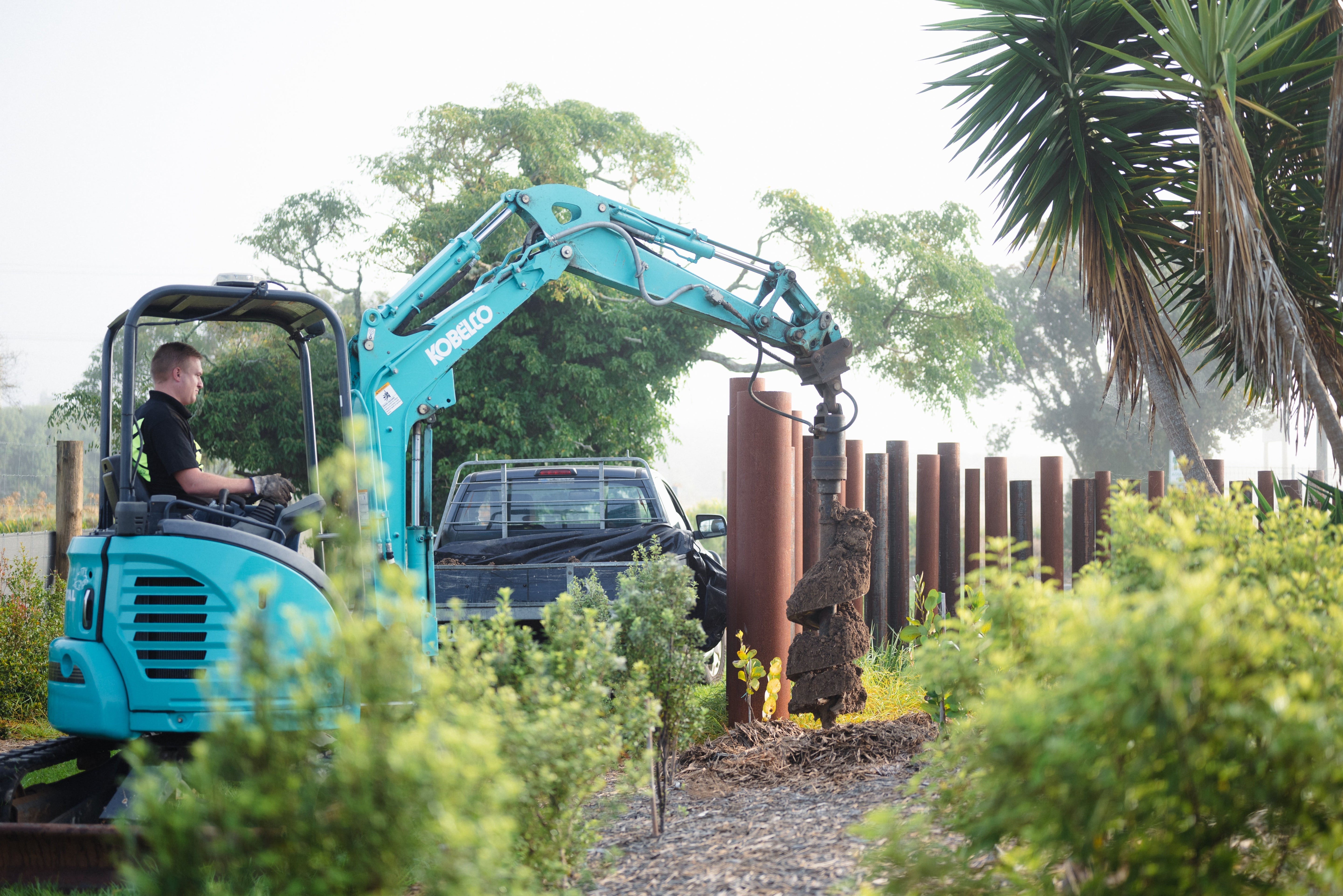
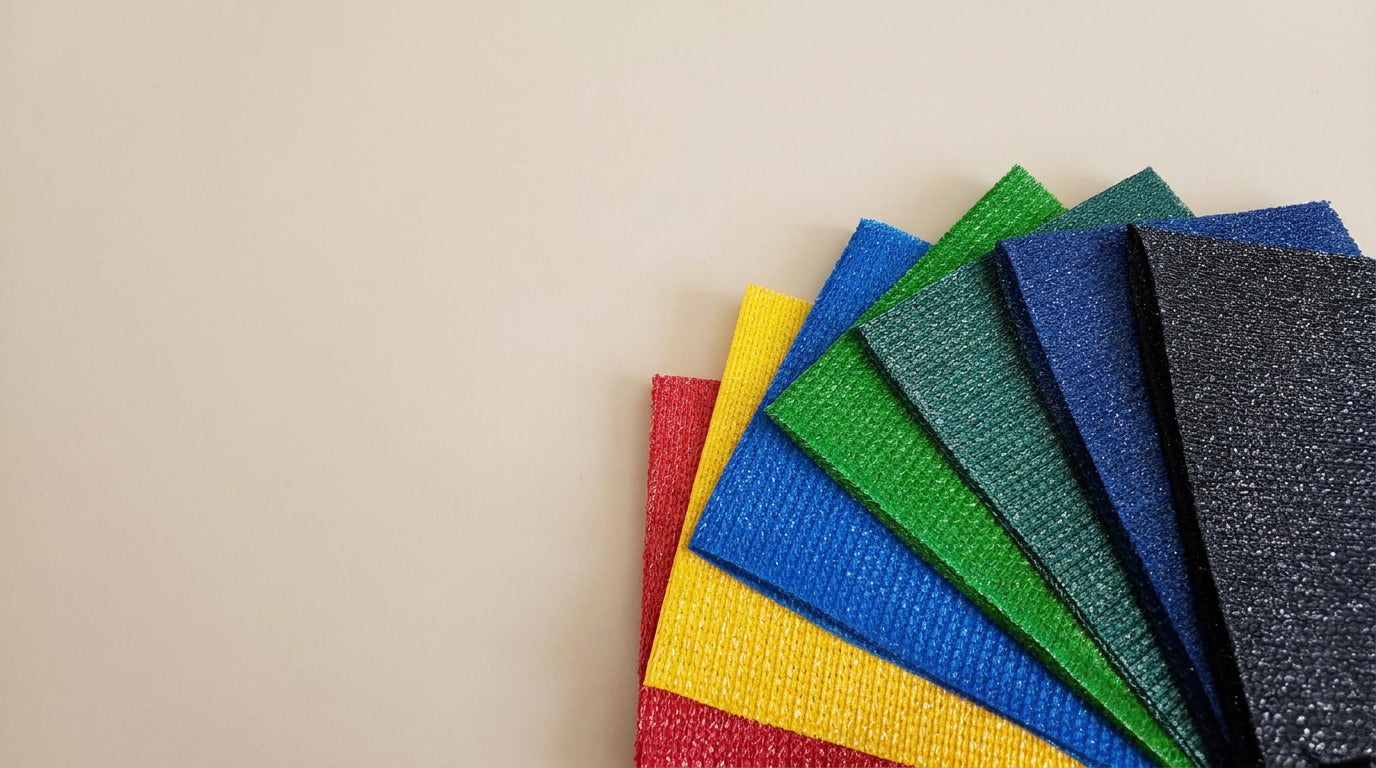
If improving the outdoor living area is on your retirement project list, when considering a Shade Sail for your space, take some time to explore Shade Space’s custom-made Shade Sails.









Share:
Pool Shade in Dubai: How to Choose a Shade Sail for a UAE Villa
DIY Shade Sail Installation vs Hiring a Contractor