



Installing a Shade Sail is one of the most effective ways to create comfortable outdoor living spaces, and in many cases, residential installations can be completed without needing formal council approval.
However, every property and local authority is different. Factors such as the size of the Shade Sail, how it's supported, where it's installed, and whether it's attached to an existing building may influence whether additional approvals or building consent are required.
The good news is that understanding these considerations before you begin can help you plan your project with confidence and avoid unnecessary delays if your installation falls outside standard residential work.
1. The Height of the Shade Sail
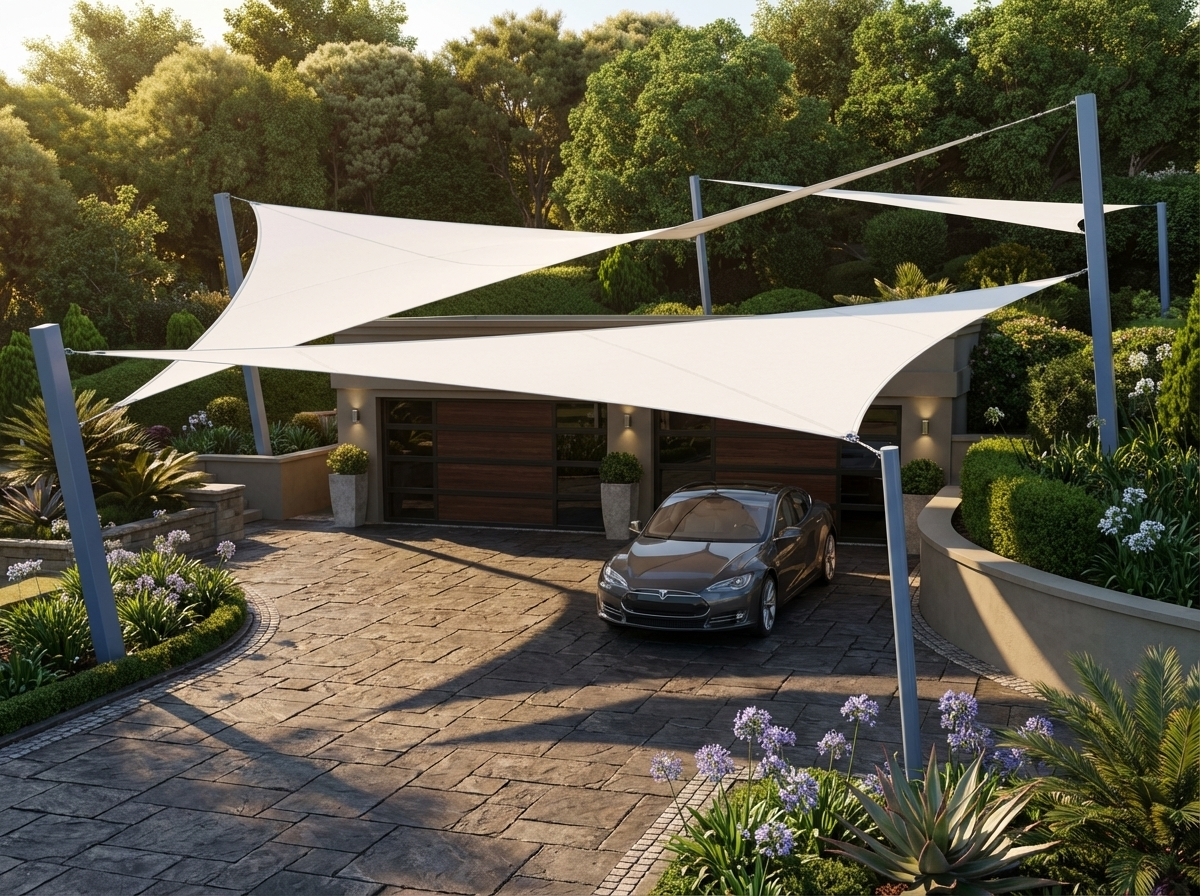
The height of your Shade Sail can influence whether additional requirements apply, particularly if it's installed close to a property boundary or over a driveway.
Many local authorities have planning rules relating to the height of outdoor structures. While a standard patio Shade Sail may fit comfortably within these limits, taller installations designed to cover vehicles, playgrounds, or commercial areas may be treated differently.
Height also affects the structural design of a Shade Sail, as taller posts generally create greater leverage and wind loading.
2. The Overall Size
A larger Shade Sail provides more shade, but it also creates greater loads on the supporting structure.
For most residential projects this isn't a planning issue, but larger installations may attract additional attention depending on local regulations or the intended use of the space.
From a design perspective, increasing the sail size also means ensuring the posts, footings, and hardware are suitable for the additional forces created when the sail is properly tensioned.
3. Permanent or Removable Installation
One of the biggest differences local authorities may consider is whether the installation is intended to be permanent.
A Shade Sail supported by engineered steel posts set into concrete footings is often viewed differently from a temporary or seasonal shade solution that can be removed without altering the property.
This doesn't automatically mean approval is required, but it's one of the factors that may influence how your project is assessed.
4. Attaching the Shade Sail to a Building
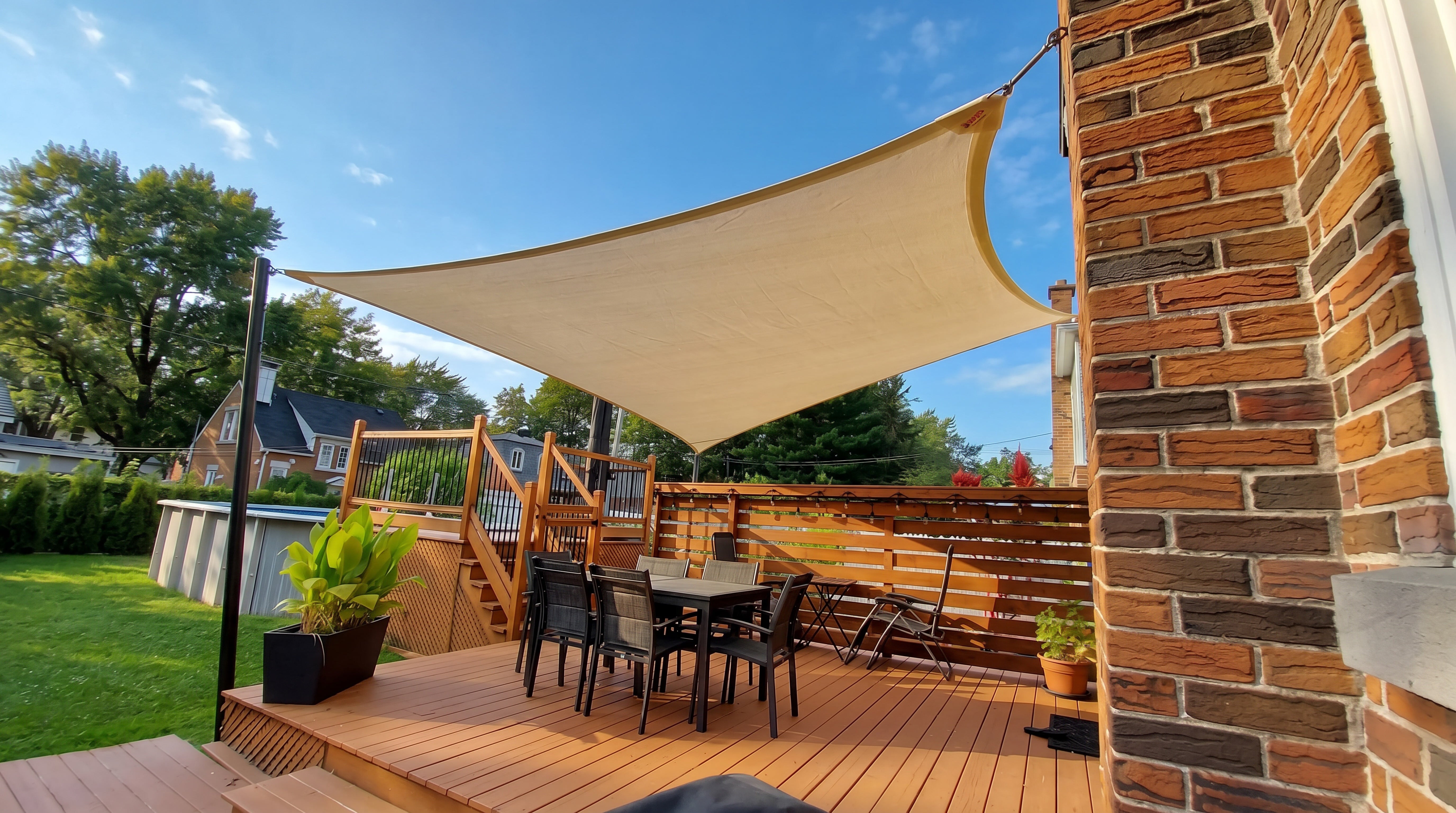
Many Shade Sails are attached to an existing home, garage, or commercial building.
When this is done correctly, it can provide an excellent mounting point. However, because a properly tensioned Shade Sail transfers significant loads into the supporting structure, it's important that the building is capable of carrying those forces safely.
Some jurisdictions may have additional requirements for structural attachments, particularly if alterations are being made to the building itself.
5. Wind Exposure
Wind is one of the most important considerations when designing any permanent Shade Sail.
Even a relatively small Shade Sail can generate substantial forces when tensioned correctly, especially in exposed coastal, rural, or elevated locations.
While wind conditions don't usually determine whether council consent is required, they should always influence the design of the supporting structure.
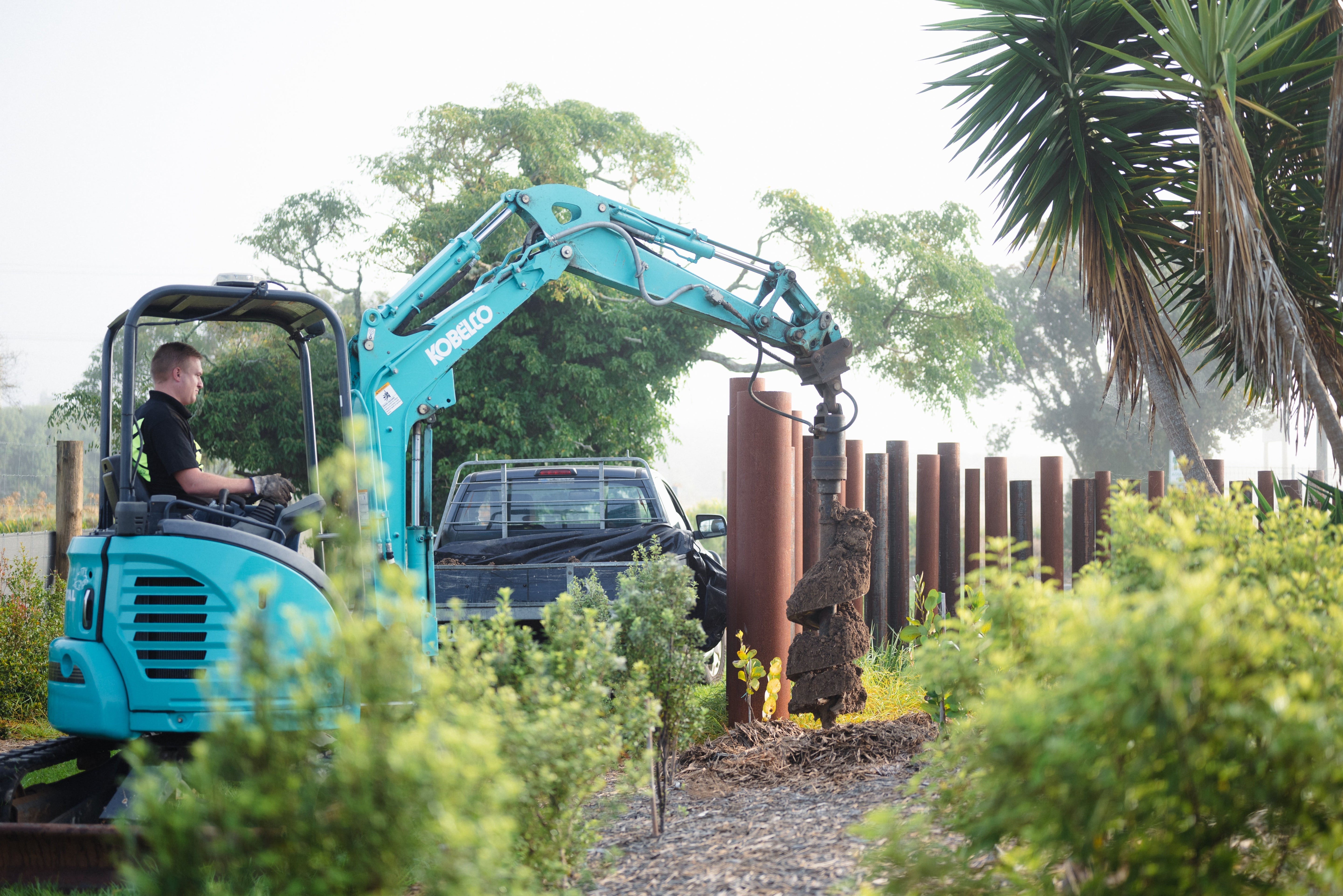
Permanent installations should use appropriately engineered steel posts, correctly designed footings, and quality hardware. Fence posts, timber landscaping posts, or undersized fixings are not suitable for permanent Shade Sail installations.
Where required, a structural engineer or suitably qualified professional should confirm the final structural design.
6. Residential or Commercial Use
The intended use of a Shade Sail can also influence the approval process.
A Shade Sail installed in a private backyard is often assessed differently from one installed at a school, childcare center, restaurant, sporting facility, or public park.
Commercial and public projects may require additional documentation, engineering, or approvals because they are designed for higher occupancy and public use.
7. HOA or Body Corporate Requirements
If your property is governed by a Homeowners Association (HOA), body corporate, or similar community organisation, you may also need approval under their rules.
These organisations commonly have requirements relating to:
- The location of the Shade Sail
- Colours and appearance
- Post locations
- Visibility from neighbouring properties
- Consistency with the surrounding development
These requirements are separate from council regulations and may still apply even if no formal building approval is needed.
At a Glance
|
Factor |
May Influence Approval? |
Why It Matters |
|
Height |
Sometimes |
Height limits may apply near boundaries or in certain zones. |
|
Overall size |
Sometimes |
Larger structures create greater loads and may be assessed differently. |
|
Permanent steel posts |
Sometimes |
Concrete footings and permanent supports may be considered structural work. |
|
Attachment to a building |
Sometimes |
Building connections may need to safely support Shade Sail loads. |
|
Wind exposure |
Rarely for consent, always for design |
Determines post sizes, footings, and hardware requirements. |
|
Commercial installation |
Often |
Public-use projects commonly have additional compliance requirements. |
|
HOA or body corporate rules |
Sometimes |
Community approval may be required regardless of council requirements. |
Good Planning Leads to Better Results
Every Shade Sail installation is unique. While many residential projects can be completed without formal council consent, understanding the factors that may influence approval requirements helps you make informed decisions before construction begins.
More importantly, these same factors also contribute to a stronger, safer, and longer-lasting installation. Choosing suitable steel posts, designing for local wind conditions, and using quality hardware are just as important as understanding any local requirements.
By taking the time to plan your Shade Sail properly, you'll be well on your way to creating an outdoor space that's both practical and built to perform for years to come.
Ready to start planning? Explore Shade Space's measuring guides, installation resources, hardware information, and custom Shade Sail options to help design a Shade Sail that suits your space and your property.








Share:
What Is the Best Grass for My Yard? A Homeowner's Guide to Choosing the Right Lawn
Do You Need a Permit for a Shade Sail? Understanding Council Regulations, HOA Rules, and Building Requirements