

Choosing between a DIY installation and professional installation isn't just about the upfront cost. It also comes down to the size of the project, your experience with construction, the complexity of the installation, and the result you want to achieve.
Both options have their place. A simple Shade Sail can often be installed successfully by a confident DIYer, while larger or more complex projects may benefit from professional installation. Understanding the advantages and limitations of each approach will help you make the right decision.
The DIY Shade Sail Approach
Installing a Shade Sail yourself can be a rewarding project and is often the most affordable option. By completing the installation yourself, you avoid labor costs, making DIY an attractive choice for smaller, straightforward installations. Depending on the size and complexity of the project, DIY installation can reduce upfront costs by 50–70% compared to hiring a professional installer.
DIY installation also gives you complete control over the project. You can work at your own pace, choose the layout that best suits your outdoor space, and gain valuable experience along the way. If you're comfortable using power tools, installing steel posts, and following detailed installation guides, a DIY Shade Sail project is achievable for you.
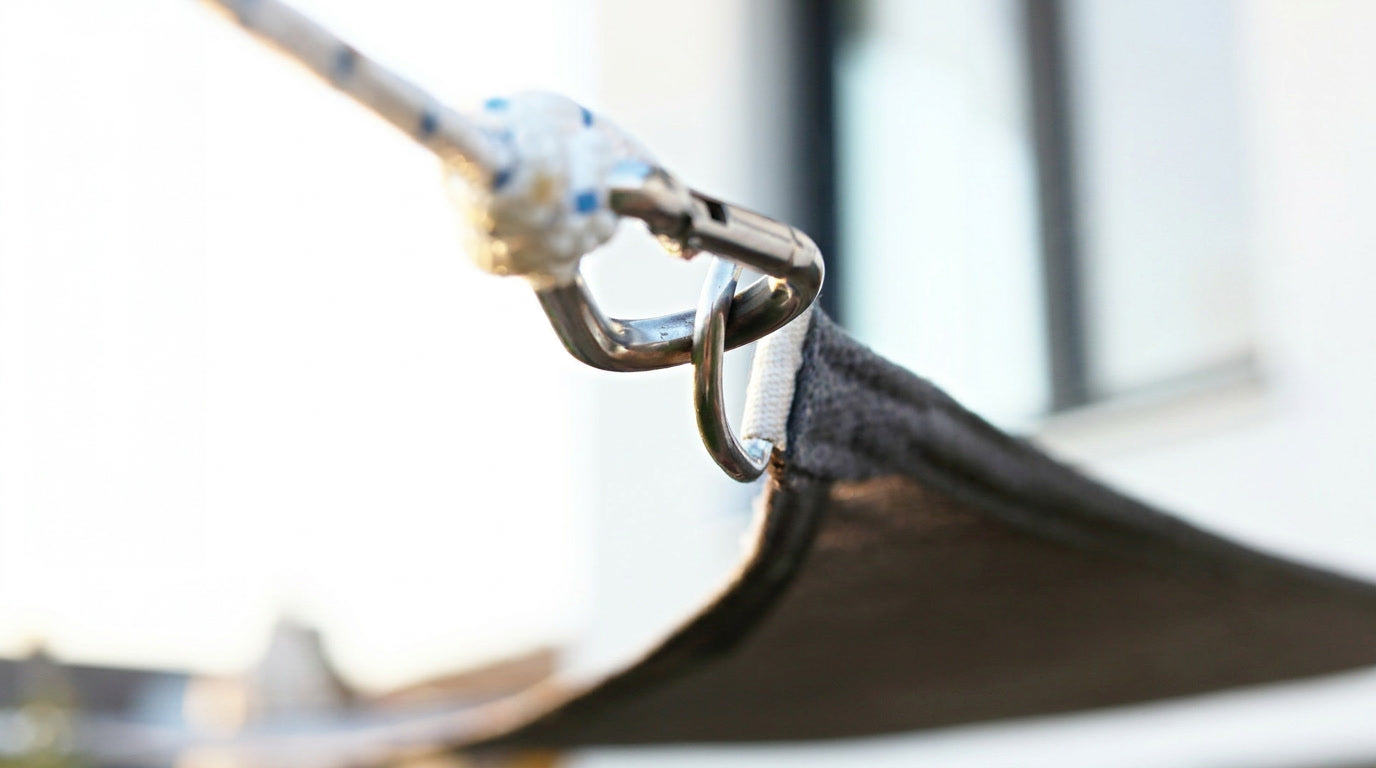
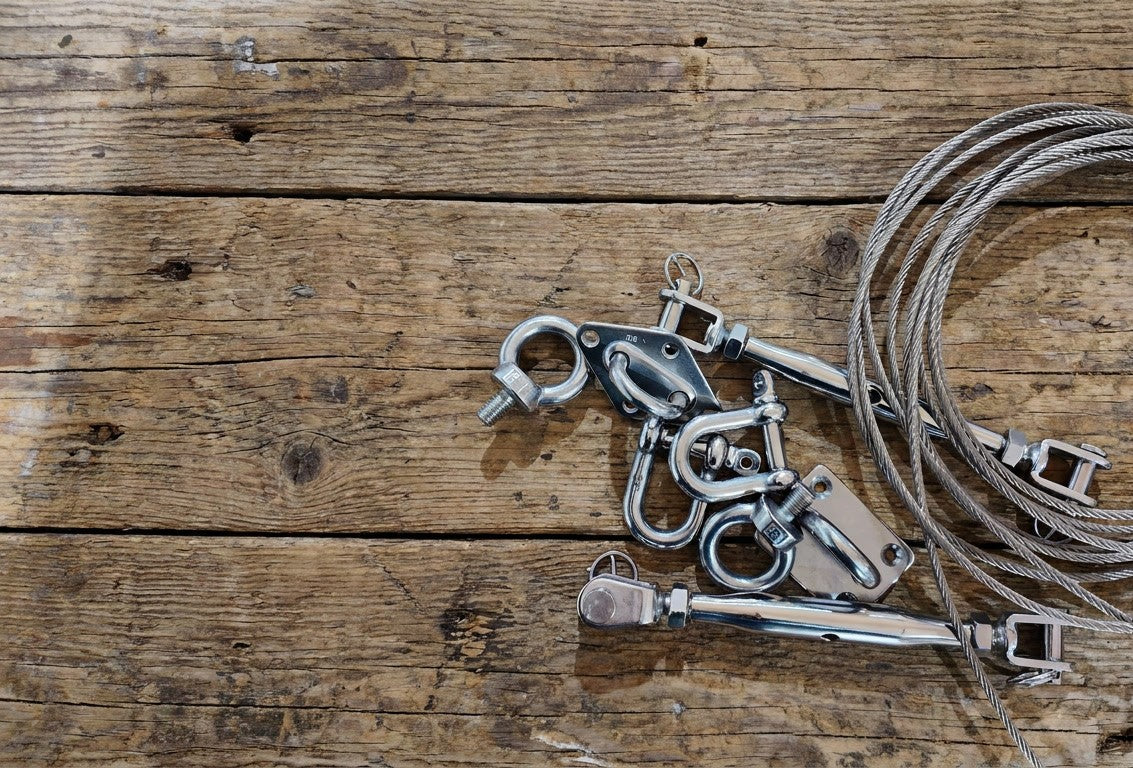
Even a relatively simple installation requires careful planning. Post depths, footing sizes, hardware selection, sail tension, strong mounting points, and expected wind loads all need to be considered to achieve a safe, long-lasting installation. A poorly installed Shade Sail can sag, flap excessively in the wind, place unnecessary stress on fixings, or fail prematurely. Unlike a professionally installed system, any repairs or replacement costs resulting from installation errors are your responsibility.
Professional Shade Sail Installation Benefits
Professional installers bring experience with structural design, post placement, hardware selection, and sail tensioning. They understand how different sail shapes, fixing heights, and wind loads affect the finished installation and can recommend the most suitable layout for your space.
For larger or more complex projects, professional installation can remove much of the uncertainty. Multiple sails, unusual fixing locations, or installations attached to existing structures often require additional planning and, in some cases, engineering approval.
Professional installations are also typically completed more quickly than a DIY project and may include workmanship warranties, giving additional confidence that the installation has been completed correctly.
The main disadvantage is the additional cost. Professional installation represents a larger upfront investment than DIY, particularly for larger Shade Sails or more complex layouts. However, that cost can often be offset by improved durability, reduced maintenance, and avoiding costly installation mistakes.
Making Your Decision
Choose DIY if:
- Your project is small and simple (single sail, straightforward anchoring)
- You have relevant skills and experience with using power tools.
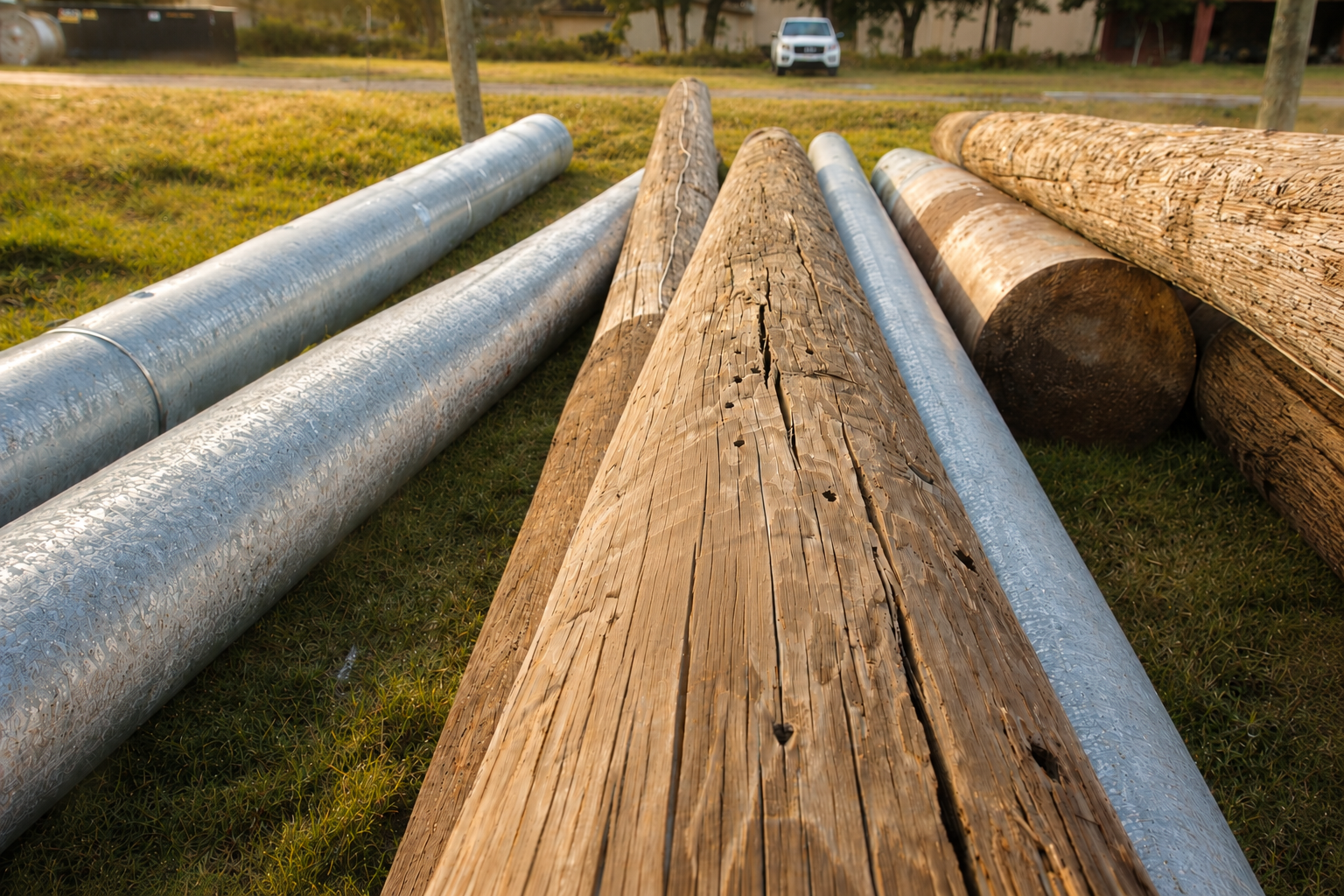
- You're confident installing suitable steel posts and heavy-duty fixings.
- You're budget-constrained and comfortable accepting installation risks
- You understand warranty limitations
Choose Professional Installation if:
- Your project is large, complex, or involves multiple sails
- The installation requires difficult fixing points or attachment to existing buildings.
- You are unsure about structural requirements or wind loads.
- You want the confidence of an experienced installer.
- You want warranty protection and longevity assurance
The Value Proposition
DIY installation can deliver significant savings when the project is planned correctly and installed to a high standard. For many homeowners, it is a practical and satisfying way to improve an outdoor area.
Whether you choose DIY or professional installation, investing time in proper planning is one of the best ways to protect your investment.
Your Next Step
Honestly assess your project based on your experience and budget. If you have the skills and the right equipment, a DIY Shade Sail installation can be a rewarding project. For larger or more challenging installations, professional assistance may provide greater peace of mind.
If you're planning to install your own Shade Sail, explore the Shade Space installation guide, hardware range, and measurement resources to help you plan your project with confidence. Remember that every permanent installation should use appropriately engineered steel posts and fixings, and where structural requirements are uncertain, advice from a qualified engineer should always be sought.


Share:
Creating a Kid-Safe Summer Sanctuary: Shade Solutions for Play Areas
From Scorched Earth to Garden Oasis: Protecting Your Plants This Summer