




A Shade Sail is only as strong as its supporting structure(s).
While most people focus on the fabric, many Shade Sail problems that appear years later (e.g. sagging fabric, leaning poles, loose fixings, or excessive movement in the wind) can often be traced back to undersized poles or inadequate footings.
Getting the foundation right is one of the most important parts of any shade sail installation. This guide explains the general principles behind Shade Sail poles and footings.
Why Shade Sail Footings Matter
Unlike a roof, a Shade Sail is installed under constant tension. Each corner of the sail pulls against the support structure, and those forces increase as sail size, fixing height, and wind exposure increase.
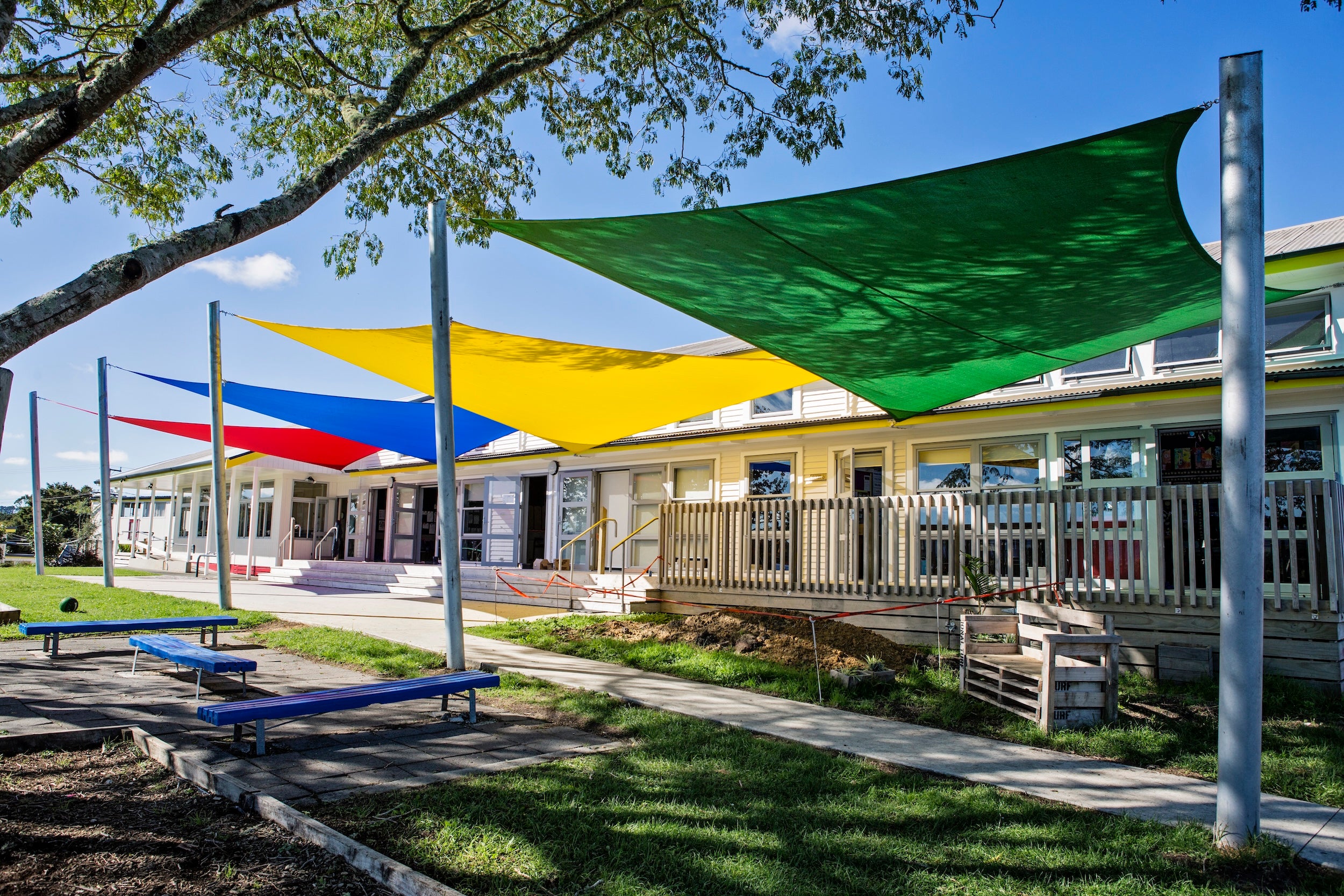
For this reason, Shade Sail installations typically require structural steel poles and substantial concrete footings. Standard fence posts are rarely suitable and should not be relied on for supporting a tensioned Shade Sail.
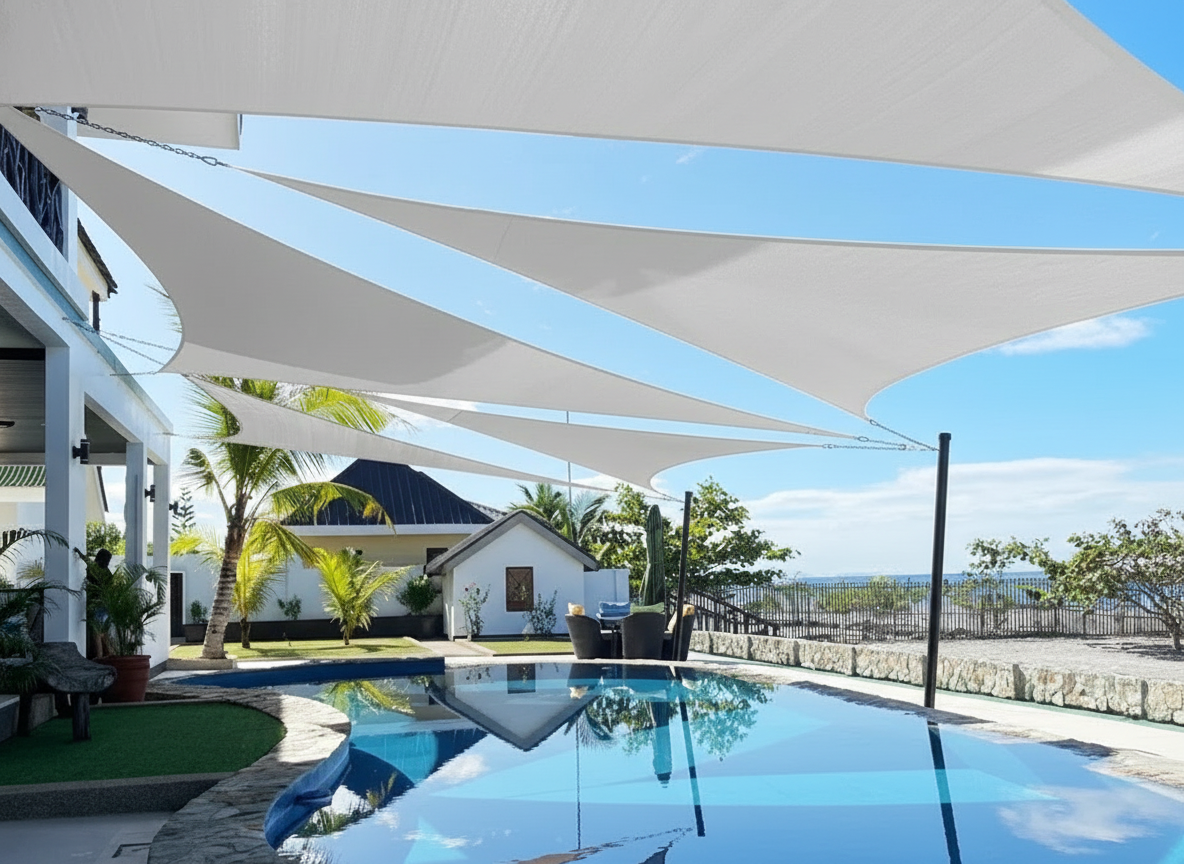
ShadeSpace generally recommends installing Shade Sail poles with a slight lean away from the sail, often around 5 degrees. This helps the structure resist sail tension and can improve long-term performance.
Choosing your Shade Sail Pole Material
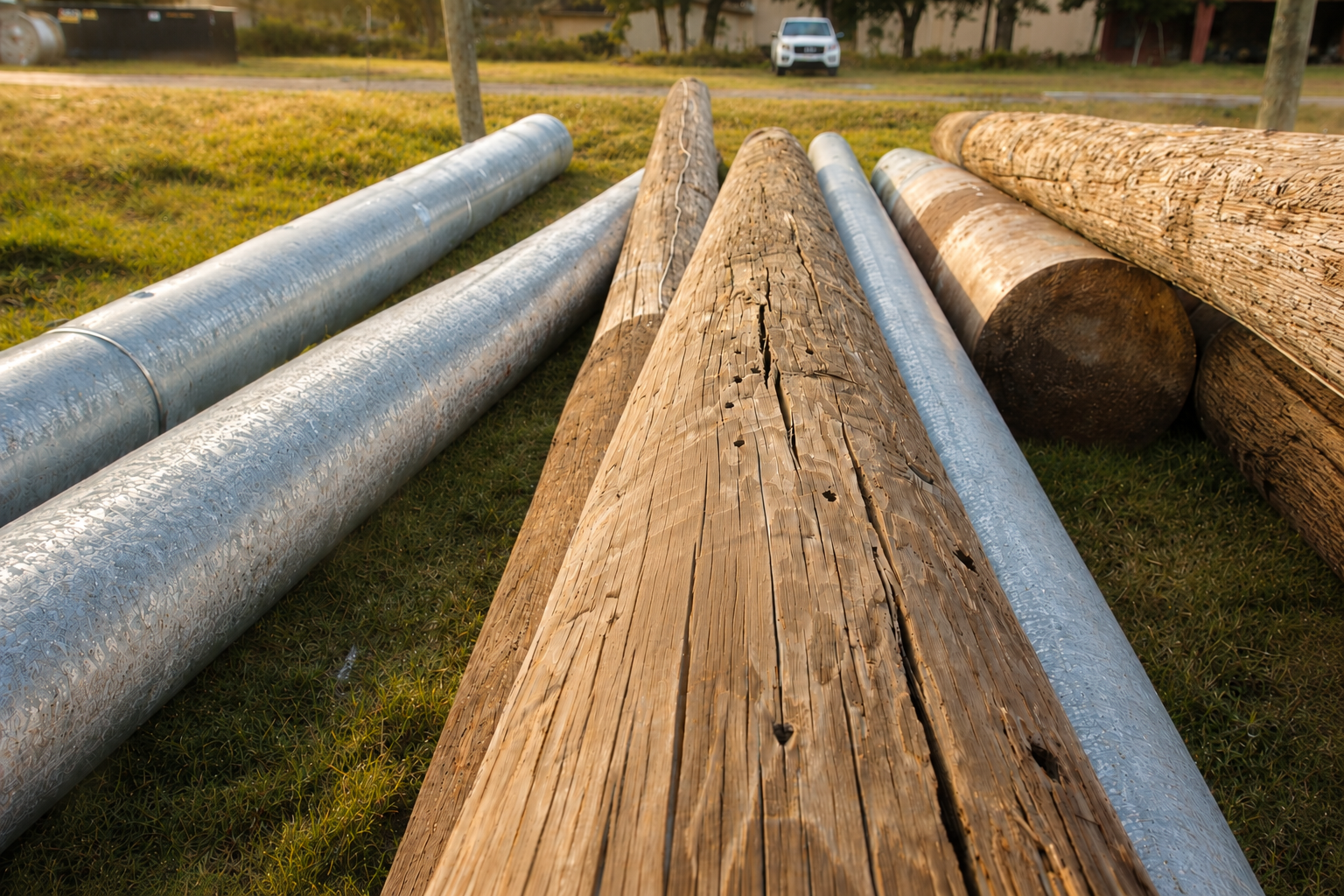
Steel is generally the preferred option for permanent Shade Sail installations because of its strength and durability.
Common choices include:
- Square hollow section steel
- Round galvanized steel pipe
- Hot-dip galvanized structural steel
Regardless of the material selected, the pole size should always be matched to the sail size, mounting height, wind exposure, and site conditions.
ShadeSpace does not recommend timber posts for permanent Shade Sail installations. Timber can move, twist, crack, and deteriorate over time, which can affect sail tension and long-term performance. Read Wooden vs Steel posts.
Steel poles are the preferred option because they provide greater strength, durability, and reliability for a tensioned Shade Sail.
Ground Conditions and Pole Placement
Ground conditions are equally important. Clay, sand, reclaimed land, and sloping sites can all affect footing requirements. A footing size that performs well in one location may not be suitable in another.
Also, when deciding on the placement of your poles with height differences, remember that as pole height increases, footing size and pole strength typically need to increase as well.
Fixing a Shade Sail to an Existing Structure
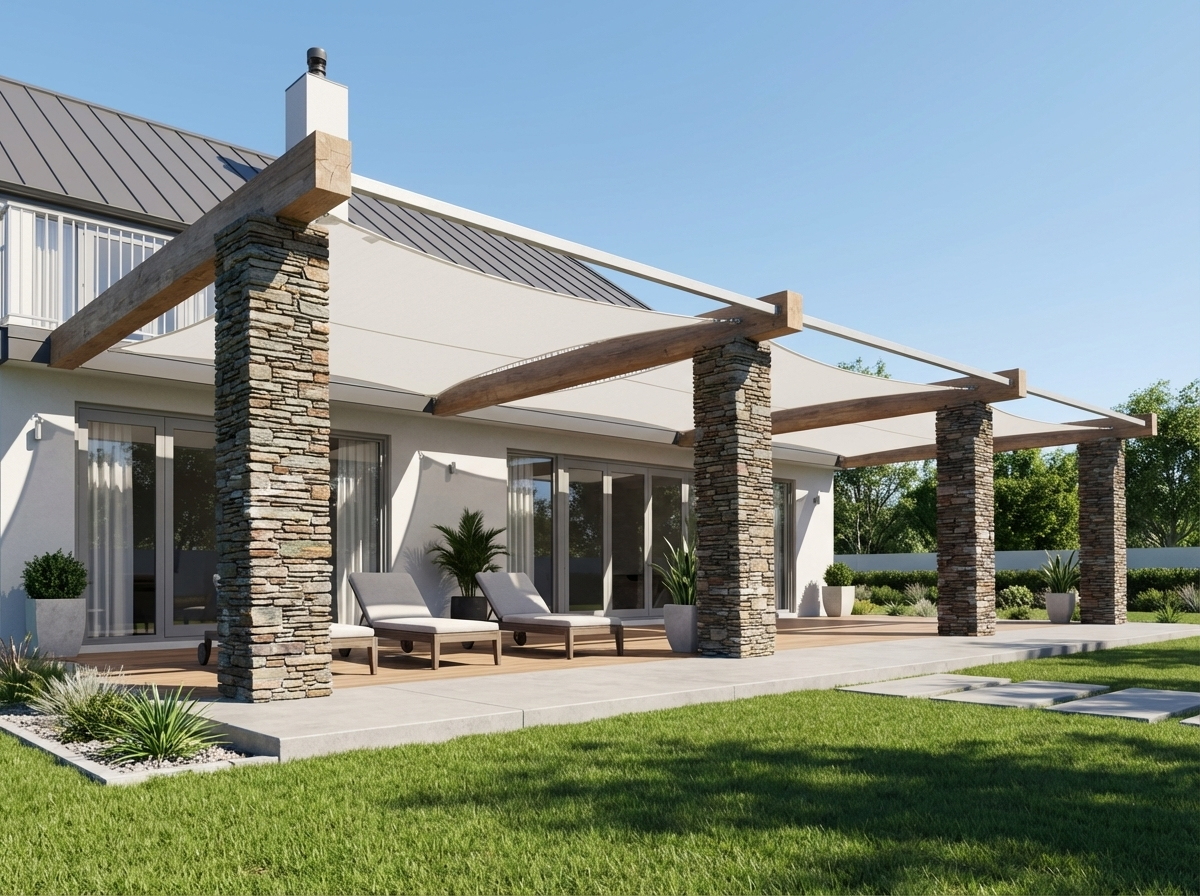
If your Shade Sail will connect to a building, those attachment points must be capable of handling the same loads generated by the tensioned sail. Mounting points should be fixed to structurally suitable members, not just cladding, fascia boards, or decorative elements.
If there is any doubt about the strength of an existing structure, seek advice from a qualified builder or engineer.
Getting your Shade Sail Footings Right
Getting the foundation right from the beginning helps create a structure that can handle the loads generated by a tensioned Shade Sail. Strong poles, correctly sized footings, and secure attachment points all contribute to a Shade Sail that remains safe, stable, and properly tensioned for years to come.
General sizing guides can be useful during the planning stage, but every project has unique requirements. Wind loads, soil conditions, fixing heights, and sail dimensions should all be considered before finalizing the structure.
Conclusion:
A great Shade Sail starts with a great foundation. Visit our Knowledge Hub for measuring guides, installation advice, hardware recommendations, and answers to common Shade Sail questions.
Related Resources:
- How much Tension does a Shade Sail exert on it's fixings?
- Wooden vs Steel Poles: Which is better?
- Where to buy Steel Poles in the USA
Disclaimer:
The information in this article is provided as general guidance only and should not be considered engineering or structural advice. Every Shade Sail installation is different, and final pole sizes, footing dimensions, and fixing methods should be confirmed by a qualified engineer or suitably experienced professional.





Share:
Top 3 Shade Sail Coverage and Positioning Best Practices
Mounting Hardware Size Guide for Shade Sails